


My. Research. Life.


RESEARCH
My bachelor and master study were conducted at the Department of Biology and General Ecology, Faculty of Ecology and Environmental Sciences, Technical University in Zvolen (Slovakia) under the supervision of Dr. Marek Svitok.
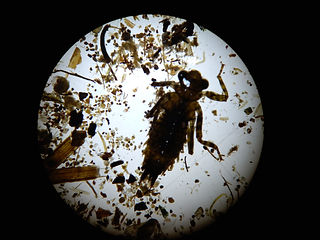
The bachelor thesis with the title “The length-mass relationships of aquatic insects and their relevance for biomass estimation” dealt with the length-mass relationships for four species of aquatic insects at Košské mokrade wetlands.
2011 - 2014
The aim of this thesis was to estimate length-mass relationships for four species of aquatic insects: Caenis robusta and Cloeon dipterum (Ephemeroptera) and Cymatia coleoptrata and Plea minutissima (Heteroptera). The research of length-mass relationships has been carried out for the last forty years and thus, length-mass relationships for the majority of species is unknown. The length-mass relationships for all but one species (C. dipterum) are calculated in this thesis for the first time at all. Estimated relationships were compared with published length-mass equations.
Subsequently, biomasses were estimated for those species and compared with estimates based on published length-mass equations given in Gregor (2010) and Klementová (2012). The calculation of biomass based on the length-mass relationships for higher taxonomic level (e.g., genus or family) was significantly different from the biomass calculated from the species-level length-mass equations.
Project was supported by APVV, No. 0059-11 - "Biodiversity of small water biotopes: parallel, intersecting or skew?"

Photo: V. D.
The master thesis with the title “Plasticity of life cycles of Ephemeroptera (river Hron)” dealt with the length-mass relationships and to comparison of biomass and secondary production for four species of aquatic insects from river Hron.
2014 - 2016

The aims of this thesis are to estimate length-mass relationships and to compare biomass and secondary production for four species of aquatic insects: Ephemerella ignita, Ephemerella mucronata, Rhithrogena semicolorata, Epeorus assimilis (Ephemeroptera). Subsequently, the thesis also includes reconstructions of life cycles as well as the assessment of the importance of factors that influenced growth race. We found out that biomass of species taken from Vaľkovňa locality (the river Hron) was 3,5 times higher and their production was 6,4 times higher in comparison with species taken from Beňuš locality.
The E. ignita species showed univoltine summer life cycle, the other species showed univoltine winter life cycle. In general, life cycles were consistent with available literature. Between localities mentioned the different growth rates were statistically proved for E. ignita and R. semicolorata species. Thermal regime is probably the major attribute of aquatic habitat that formed an intraspecific variability (plasticity) in the growth rate and duration of life cycle.
Project was supported by APVV, No. SK-UA-2013-0023 -"EPT communities of the Slovak-Ukrainian transboundary region: structure, diversity and the assessment of ecological status of streams"
The PhD thesis with the title “The relationships of benthic invertebrates functional and taxonomic diversity to organic matter decomposition in ponds” had two main aims: (1) to assess relationships between ecosystem processes, and taxonomic and functional diversity; and (2) to evaluate the response of taxonomic and functional diversity to human influence.
The aim of this thesis is to summarise the results of experiments which dealt with the decomposition rate of riparian vegetation in 23 ponds located in Slovakia during 2017 and 2018. The results showed that the litter breakdown of black alder (A. glutinosa) proceeded at exponential rates ranging from 0.00003 to -0.0020 dd-1 and that the environmental characteristics did not significantly influence the rates of breakdown. The results also confirmed that shredder feeding activity significantly increased breakdown.
The shredder diversity experiments discovered that although the relationship between taxonomic and functional diversity is positive, functional diversity has been more tightly linked to the decomposition process. Research of invasibility brought also interesting results showing that invasive species decompose faster in pond environment than the native riparian species. Furthermore, we proved that anthropic activities accelerate decomposition rate through the nutrient addition.
Project was supported by IPA, No. 11/2017 - “Importance of functional diversity in the decomposition process of organic matter in wetlands” and by APVV, No. 16-0236 - “Functional and taxonomic diversity of wetlands and their relationship to ecosystem processes”

2016 - 2020
Photo: V. D.
Photo: E. Židišinová

During my stay at the University of Ostrava in Czech Republic (Department of Biology and Ecology) as a Visiting Trainee under the supervision of Dr. Aleš Dolný, I made research which was focused on taxonomic and functional biodiversity of river ecosystems and the aim of the research was to compare natural and managed parts of two rivers near city Ostrava.
I determined the community structure and abundance of benthic organisms after conducting field work and gathered data from the rivers Sedlnica and Bilovka in the Ostrava region. The field work was based on the samples of benthic invertebrates from 5 localities. I was studying present communities of these 2 rivers with a special focus on the taxonomic group Ephemeroptera.
Fellowship was supported by Erasmus+ programme
2017
Photo: V. D.
During my stay at the Australian Rivers Institute (ARI), Griffith University as a Visiting Scholar under the supervision of Dr. Michael P. Venarsky and Prof. Stuart E. Bunn, I made research in length-mass relationships of Australian zoobenthos. The research of length-mass relationships has been carried out for the last forty years and thus, length-mass relationships for the majority of aquatic species are unknown. Body-size and body-mass relationships are very important for further calculations in ecology, so it is surprising that these characteristics are rarely described for Australian invertebrate communities and need to be extended.
We developed 23 new length-mass relationships for Australian freshwater invertebrates from 2,148 specimens from Cedar Creek stream in South East Queensland and Yelko Waterhole in North Queensland and also made literature review comparisons.
Fellowship was supported by National Scholarship Programme of the Slovak Republic (NSP) (2018) and by Grant programme “Students out into the world” by Tatra Bank Foundation (2020)
2018 and 2020

Photo: V. D.
2020

Photo: V. D.
During my stay at the University of South Bohemia (JCU) in Czech Republic (Department of Ecosystem Biology) as an Early Postdoc Intern under the supervision of Dr. David Boukal, I joined the team in ongoing project titled „Understanding the combined effects of multiple stressors on freshwater biota: Will climate change alter the impact of chemical pollution?”. Project dealt with the combined effects of warming and pollution on aquatic invertebrates based on laboratory and mesocosm experiments.
The traineeship also included participation in two other parallel lab experiments. The first experiment dealt with an ecotoxicity test in the lab, where we examine lethal toxicity levels of an aquatic invertebrate and the experiment consisted of testing resilience of this species on environmentally relevant pharmaceutically active compounds. The second experiment assayed individual-level responses to warming and pollution by measuring key physiological and behavioural traits of an aquatic macroinvertebrate. Work consisted of measuring metabolic rate and locomotion activity using an automated tracking protocol in laboratory conditions. Furthermore, I collaborated on the project which dealt with morphological trait and mass regressions of three mosquito larvae species and was based on laboratory work, where the samples were weighted and measured for creating the size-mass relationships.
Fellowship was supported by Erasmus+ Programme
Project was supported by GACR, No. 20-19284S - “Understanding the combined effects of multiple stressors on freshwater biota: Will climate change alter the impact of chemical pollution?”
2022
During my stay at the Centre for Ecology, Evolution and Environmental Changes (cE3c) in Portugal as an External Collaborator under the supervision of Dr. Bruno M. Carreira, I have joined the team in ongoing project titled „ Temperature and nutrient interactions in aquatic ectotherms: individuals, populations and communities at latitudinal edges”. Project tries to gather complementary expertise on life-history traits, stable isotopes, metagenomics and food webs, presenting an ambitious proposal that integrates local climatic adaptation and will study trophic plasticity in populations and communities at the edges of a 2500 km latitudinal gradient (Portugal, Sweden).
We aim to develop a comprehensive study of temperature and nutrient interactions on individual fitness, to flesh out the physiological pathways involved in temperature-induced dietary shifts, assessing the potential contribution of gut microbiota, and to examine the impacts on communities.
Fellowship was supported by National Scholarship Programme of the Slovak Republic (NSP)
Project was supported by FCT, No. PTDC/BIA-BMA/1893/2020 - “Temperature and nutrient interactions in aquatic ectotherms: individuals, populations and communities at latitudinal edges”

Photo: B. Carreira

Photo: V. D.
2023
During my stay at the Marine and Environmental Sciences Centre (MARE), Nova School of Science and Technology, NOVA University of Lisbon in Portugal as an External Collaborator under the supervision of Prof. Marta Martins, I have joined the team in ongoing project titled „Application of macroinvertebrate indexes to evaluate the quality of aquatic systems”.
The subtopic of the project with the title “Macroinvertebrates at Cascais’s streams, Portugal” was based on the determination of macroinvertebrate samples from three rivers in Cascais area during the last decade. Taxonomy and abundance data were used for the calculation of several water quality indexes, e.g. . Portuguese Index of Invertebrates (IPtI), Iberian Biological Monitoring Working Party Index (IBMWP) and EPT index.
Fellowship was supported by National Scholarship Programme of the Slovak Republic (NSP)
Project was supported by FCT, Application of macroinvertebrate indexes to evaluate the quality of aquatic systems“ (Ref: UIDB/04292/2020).
2021 - 2023

During my stay at Technical University in Zvolen (Tuzvo), Slovakia at the Faculty of Ecology and Environmental Sciences (Department of Biology and General Ecology) under the supervision of Dr. Marek Svitok, I joined the team in ongoing project titled „Aliens among us: spatio-temporal dynamics of plant invasions and their adverse impact on ecosystems”. Project focuses on the environmental background of plant invasions in Slovakia where dynamics of plant invasions is studied in riparian vegetation along rivers. We will reveal spatio-temporal changes in riparian ecosystems which will be further linked with environmental and human factors. An integrative approach will be used to study the impact of plant invasions on semi-natural grasslands which represent the most invaded non-anthropogenic habitats in Slovakia.
We will compare multiple-taxa diversity (plants, bryophytes, fungi - by environmental DNA sequencing, molluscs and soil invertebrates) in non-invaded plots and in plots invaded by Fallopia japonica agg. or Solidago canadensis agg. Further analyses of soil properties, seed bank, microbial activity, and fungal trophic structure will shed light on changes of belowground ecosystem processes at studied plots. We are also conducting a field experiment to study the impact of invasive plants on the decomposition of leaf litter.
Project was supported by APVV, No. 19-1757 - “Aliens among us: spatio-temporal dynamics of plant invasions and their adverse impact on ecosystems”
Photo: V. D.
During my stay at the Centre for Ecology, Evolution and Environmental Changes (cE3c), Portugal at the Faculty of Sciences of the University of Lisbon under the supervision of Dr. Pedro Pinho, I joined the team in ongoing project titled „Bringing nature back – biodiversity-friendly nature-based solutions in cities (BiNatUr)”.
Project focuses on the Nature-based solutions (NBS), a collective term for actions intended to protect, sustainably manage, and restore natural or modified ecosystems while addressing societal challenges. The BiNatUr project will quantify the role of biodiversity and its linkages with ES in urban aquaNBSs, and its overall aim is to improve the planning, building, restoration, and management of aquaNBS, supporting the transformation to climate-smart, biodiversity-friendly, and sustainable cities. We propose that social-ecological-technological systems will provide a novel and comprehensive way to analyze and then improve the complex social, ecological, and technological interactions of aquaNBS at three spatial scales (site, city, Europe). Geographical representativeness of the BiNatUr study areas is wide, covering Atlantic and Mediterranean (Lisbon), western and middle temperate (Antwerp, Berlin and Poznań) and boreal regions (Helsinki).
Project was supported by through the 2020-2021 Biodiversa and Water JPI joint call for research projects, under the BiodivRestore ERA-NET Cofund (GA N°101003777), with the EU and the funding organisations The Research Foundation - Flanders (FWO), Belgium; Academy of Finland (AKA), VDI/VDE-IT, Germany; National Science Center (NCN), Poland and Fundação para a Ciência e Tecnologia (FCT), Portugal
More info about the project - https://bringingnatureback.com
My first blog article about the project
My second blog article about the project
2023 - 2025

Photo: V. D.
2025
During my stay at the Centre for Ecology, Evolution and Environmental Changes (cE3c), Portugal at the Faculty of Sciences of the University of Lisbon under the supervision of Dr. Pedro Pinho, I joined the team in ongoing project titled „RECHARGE - REstoring Catchments And Rivers under Global change”.
The premise of RECHARGE is that the implementation of aquatic NBS such as natural retention measures, renaturalization, etc. within river catchments, specifically considering upstream interventions, would allow restoration of the natural flow regime and increase groundwater storage, thereby enhancing biodiversity and natural processes within a catchment. In short, upstream capacity of riparian systems (natural or NBS) to increase water residence time within the basin (by delaying runoff or increasing water infiltration) functions as a water battery for the river catchment. This concept is based on the use of wet periods to charge the water battery by improving the retention and recharge capacity of the landscape. Importantly, it requires efforts to guarantee that there is minimal leakage of the water battery by removing and impeding unnecessary drainage in the landscape. This strategy would, this way, reduce the severity of extreme hydrological events in both ends of the range (droughts and floods) and increase the resilience of rivers under a warming climate.
Project was supported by Supported by Water4all, No. Water4All/0009/2023

Photo: V. D.
2025 - present
During my stay at the Marine and Environmental Sciences Centre (MARE), Nova School of Science and Technology, NOVA University of Lisbon in Portugal as an Junior Researcher under the supervision of Prof. Marta Martins, I am leading ongoing project titled „PlastHealth: Hazards of microplastics to the marine ecosystem: a novel mesocosm approach to evaluate the dynamic and effects of microplastic on marine organisms' health”.
Microplastic debris pollution (MP), as a serious environmental problem worldwide, is responsible for most of the hidden marine plastic pollution, being found in organisms from algae to top predators. PlastHealth will provide a comprehensive understanding of the transfer and effect of MP pollution, for the first time, at the ecosystem level with two main objectives: 1) assess the transfer of MPs within the three ecosystem levels, evaluating the effects of MP exposure on the health ; and recovery rate of the model species; and 2) investigate the effects of MPs on the gut microbiome of the model species and the subsequent changes in the community dynamics of the plastisphere after MPs digestion by the model species. Going well beyond the state of the art in several fronts, a unique experimental setup that includes three functional groups mesocosm model system – a prey (arthropod), a predator (fish), and a filter feeder (mussel). Research plan will test three MP concentrations (0, 10 and 1000 mL-1) and two MP diameters (2 and 10 μm).
Project was supported by HORIZON - Widening participation and spreading excellence , No. 10118060

Photo: M.M.
My Supervisors:

Dr. Marek Svitok
Technical University in Zvolen
Faculty of Ecology and Environmental Sciences
Dept. Biology and General Ecology

Dr. Bruno M. Carreira
Centre for Ecology, Evolution and Environmental Changes
Faculty of Sciences
University of Lisbon

Assoc. Prof. David Boukal Ph.D.
University of South Bohemia
Faculty of Science
Department of Ecosystem Biology
Institute of Entomology, Biology Centre CAS


Dr. Michael P. Venarsky
Government of Western Australia
Department of Biodiversity Conservation and Attraction
doc. RNDr. Aleš Dolný, Ph.D.
University of Ostrava

PROJECTS
01/09/2025 - 31/08/2027
Project “PlastHealth: Hazards of microplastics to the marine ecosystem: a novel mesocosm approach to evaluate the dynamic and effects of microplastic on marine organisms' health”
Supported by HORIZON - Widening participation and spreading excellence , No. 10118060
Role: Leader solver Marine and Environmental Sciences Centre (MARE), Portugal

01/03/2025 - 31/12/2027
Project “AquaPlan: Aquatic Pollution from Light and Anthropogenic Noise: management of impacts on biodiversity”
Supported by HORIZON-WIDERA-2023, No. 101135471
Role: Expert on macroinvertebrates, cE3c, Portugal

01/01/2023 - 31/12/2025
Project “Nature back to cities - nature-based solutions that promote biodiversity”
supported by FCT, No. DivRestore/001/2020
Role: Expert on macroinvertebrates, cE3c, Portugal
17/09/2021 – 16/09/2024
Project “Temperature and nutrient interactions in aquatic ectotherms: individuals, populations and communities at latitudinal edges”
supported by FCT, No. PTDC/BIA-BMA/1893/2020
Role: Solver at the Centre for Ecology, Evolution and Environmental Changes, Portugal
01/07/2020 – 30/06/2024
Project “Aliens among us: spatio-temporal dynamics of plant invasions and their adverse impact on ecosystems”
supported by APVV, No. 19-1757
Role: Solver at the Technical University in Zvolen, Slovakia
01/01/2020 – 31/12/2022
Project “Understanding the combined effects of multiple stressors on freshwater biota:
Will climate change alter the impact of chemical pollution?”
Supported by GACR, No. 20-19284S
Role: Solver at the University of South Bohemia, Czech Republic
01/07/2017 - 30/06/2021
Project “Functional and taxonomic diversity of wetlands and their relationship to ecosystem processes”
supported by APVV, No. 16-0236
Role: Solver at the Technical University in Zvolen, Slovakia
01/04/2017 - 31/12/2017
Project “Importance of functional diversity in the decomposition process of organic matter in wetlands”
Supported by IPA, No. 11/2017
Role: Leader solver and Administrator at the Technical University in Zvolen, Slovakia


01/03/2025 - 31/02/2028
Project “RECHARGE - REstoring Catchments And Rivers under Global change”
Supported by Water4all, No. Water4All/0009/2023
Role: Expert on macroinvertebrates, cE3c, Portugal


PUBLICATIONS
Jaďuďová, D., Dekan Carreira, V., Sedlačková Přidalová, M., Židišinová, E., Novikmec, M., & Svitok, M. (2025).
Consequences of riparian forest invasions by alien plants for litter decomposition in small streams and ponds, Journal of Limnology, 84, 2223.
DOI: 10.4081/jlimnol.2025.2223
Abstract:
Riparian forests play a crucial role in aquatic ecosystems by regulating light, temperature, channel stability and nutrient cycling. However, these forests are highly vulnerable to invasion by alien plant species, which can alter leaf litter inputs and decomposition dynamics, thereby impacting freshwater ecosystem functions. This study explores the decomposition rates of native black alder (Alnus glutinosa) and two riparian invaders, Japanese knotweed (Fallopia japonica) and Canada goldenrod (Solidago canadensis), in both headwater streams and pond mesocosms in Central Europe. We found that invasive S. canadensis decomposed significantly faster than native A. glutinosa in both lotic and lentic environments. On the other hand, invasive F. japonica decomposed at a comparable rate (streams) or at a slower rate (ponds) than the native species. These findings contradict the home-field advantage hypothesis, suggesting that decomposition rates are primarily driven by litter nutrient content rather than geographic origin. Overall, the invasion of riparian zones by species with litter traits distinct from those of native species can disrupt ecosystem processes, leading to cascading effects on aquatic food webs and nutrient cycling. Understanding the effects of riparian forest invasions on organic matter processing is essential for managing biodiversity and maintaining ecosystem integrity in freshwater environments.

Duchet, C., Verheyen, J., Van Houdt, R., Grabicová, K., Carreira, V. D., Stoks, R., & Boukal, D. S. (2025).
Bioenergetic responses mediate interactive effects of pharmaceuticals and warming on freshwater arthropod populations and ecosystem functioning, Journal of Hazardous Materials, 490, 137814.
DOI: 10.1016/j.jhazmat.2025.137814
Abstract:
Freshwater ecosystems are increasingly impacted by pharmaceutical contaminants (PhACs) and climate changeinduced warming. Yet, their joint effects on freshwater taxa remain unclear. This is partly due to poorly understood mechanisms linking the effects on (sub)individual scales to higher levels of ecological organisation. We investigated the responses of two aquatic arthropods, Asellus aquaticus and Cloeon dipterum, to environmentally realistic levels of a 15-PhAC mixture (total concentration: 2.9 μg/L) and warming (+4 ◦C above ambient) in outdoor pond mesocosms (1000 L) across winter and summer. In winter, PhACs reduced energy availability and increased MDA levels. In contrast, PhACs increased energy availability and decreased MDA levels in summer. The stressors reduced Asellus abundance, leading to reduced leaf litter decomposition, while Cloeon emergence in summer declined due to a PhAC-induced decline in larval abundance. Warming alone consistently decreased arthropod abundances and emergence, except for Asellus abundance in winter. The stressor effects through changes in bioenergetics were stronger than their direct effects on population abundances and ecosystem functions. Our findings highlight the vulnerability of aquatic arthropods to PhAC pollution and warming, emphasising the need for effective management strategies to mitigate the effects of emerging contaminants and climate change on freshwater biota.


Szoszkiewicz, K., Achtenberg, K., Debbaut, R., Carreira, V. D., Gebler, D., Jusik, S., ... & Vierikko, K. (2025)
Diversification of macrophytes within aquatic nature-based solutions (NBS) developing under urban environmental conditions across European cities, Ecological Indicators, 172, 113331.
DOI: 10.1016/j.ecolind.2025.113331
Abstract:
This article explores the diversification of macrophytes in aquatic nature-based solutions (NBS) under urban conditions across European cities, highlighting their role in enhancing climate resilience, biodiversity, and ecosystem quality. While aquatic NBS have been studied for engineering and social aspects, comprehensive biological analyses, particularly across geographical gradients, have been lacking. This research, part of the BiNatUr project, investigates macrophyte richness in aquatic NBS in five European cities: Belgium, Finland, Germany, Poland, and Portugal.The analysis included emergent, submerged, and floating plants, using Ellenberg indicator values (EIV) for ecological preferences related to light, temperature, continentality, moisture, pH, and nutrient levels. A total of 103 aquatic plant species were identified, with significant variability in species richness and abundance among the cities. Helsinki had the highest species richness, averaging 7.25 species per site, while Berlin had the lowest at 3.54 species per site. Macrophyte abundance was highest in Finland and Poland, with 44.8% and 35.7% coverage, respectively, and lowest in Germany at 12.2%.The study underscores the diversity of macrophytes in urban aquatic NBS across Europe, emphasizing their value as biodiversity hotspots in urban settings. These findings provide crucial insights into macrophyte abundance, species richness, and ecological characteristics, contributing to the understanding of aquatic ecosystems under high stress in cities and informing conservation and urban planning initiatives.


Dekanová, V., Svitok, M., Bento, S., Caramelo, J., e Sousa, P. P., & Carreira, B. M. (2024)
Length-mass relationships of pond macroinvertebrates do not hold between Southern and Northern Europe, PeerJ, 12, e18576
DOI: 10.7717/peerj.18576
Abstract:
The lack of reliable data on length-mass relationships, essential to obtain accurate biomass estimates, limits our ability to easily assess secondary production by aquatic invertebrates. In the absence of published equations from similar habitat conditions, authors often borrow equations developed in geographic regions with different climate conditions, which may bias biomass estimates. A literature overview of published size-mass relationships for Portugal and Sweden highlights the need for further data within these biogeographic regions. We increased the number of equations available to Southern and Northern Europe, developing 18 new length-mass relationships for two families and 10 genera in Portugal and Sweden. All equations were published for the first time for these countries, except the genus Asellus. Our length-mass relationships were obtained from specimens collected on a one-time sampling of eight ponds in Portugal and five ponds in Sweden during late spring in 2023. A comparison of the equations developed in this study showed country-specific differences for all taxa, expect the genus Caenis, indicating a low potential transferability of the equations between Southern and Northern Europe. In contrast, the comparison of the equation obtained for A. aquaticus in this study with an equation published for this taxon in Sweden showed great similarities, suggesting a high transferability. Recommending caution in the borrowing of published length-mass equations, that can differ drastically between different geographic and climatic regions, especially at larger sizes, we provide a series of guidelines and good practices in this field.


Mocq, J., Dekanová, V., & Boukal, D. S. (2024).
Length–mass allometries of the larvae of aquatic dipterans: differences between taxa, morphological traits, and methods, Journal of Insect Science, 24 (1), 10.
DOI: 10.1093/jisesa/ieae012
Abstract:
Body mass underpins many ecological processes at the level of individuals, populations, and communities. Length–mass relationships of mosquito (Diptera: Culicidae) larvae are poorly known despite the importance of this family to disease and aquatic ecology. To fill this gap, we measured ontogenetic changes in linear traits (body length, head width, and thorax width) and dry and wet masses and estimated length- and width–mass relationships in larvae of 3 culicid species inhabiting different niches: the tropical Aedes albopictus (Skuse, 1894), the temperate Culex pipiens (Linnaeus, 1758), and the snowmelt Ochlerotatus punctor (Kirby, 1837). We showed that thorax width and body length, but not head width, reliably predicted body mass for our 3 species. The length–mass allometry slopes in aquatic dipterans varied considerably between and within families but were independent of phylogeny, specimen handling, preservation techniques, and data fitting methods.
Dekanová, V., Svitková, I., Novikmec, M., & Svitok, M. (2023).
Functional diversity of shredders, not species richness, drives the decomposition rate of leaf litter in ponds.
Frontiers in Ecology and Evolution, 11, 1286672.
DOI: 10.3389/fevo.2023.1286672
Abstract:
Leaf litter decomposition is a critical ecosystem-level process in many freshwater habitats. We studied the breakdown rates of black alder (Alnus glutinosa (L.) Gaertn.) litter in ponds and provide the first evidence of the role of the taxonomic and functional diversity of pond-dwelling shredders in this ecosystem process. Despite a strong connection to riparian zones, the litter breakdown rates observed in ponds were generally lower than those reported in headwater streams. It seems that ponds provide less favorable conditions for shredder communities than headwaters. The rate of organic matter decomposition in ponds was significantly positively related to functional diversity, represented by the variability of shredder body size, while shredder species richness did not appear to be a reliable proxy for this ecosystem function. This finding is consistent with theoretical predictions that functional complementarity among species has a systematic effect on ecosystem processes. It also emphasizes that body size is a crucial functional l trait mediating the effects of shredder diversity on litter decomposition in ponds.
Dekanová, V., Streberová, Z., Novikmec, M., & Svitok, M. (2023).
The effect of preservation on biomass and length estimates and its variation within and between two mayfly species. Limnology, 24, 181-191.
DOI: 10.1007/s10201-023-00715-8
Abstract:
Biomass estimation offers insight into aquatic ecosystem processes and represents a powerful tool for measuring biomass in communities. We quantified the effect of commonly used preservatives (70% ethanol, 4% formaldehyde, freezing), preservation time and initial body length on the estimation bias of body length, wet mass and dry mass in two mayfly species with dorsoventrally flattened (Rhithrogena carpatoalpina) and cylindrically elongated (Habroleptoides confusa) bodies. Freezing caused the largest relative bias in the length estimates (up to 18%). The most severe biases were observed in dry weights, where all preservation methods reduced body mass by up to 89%. Importantly, initial body mass influenced the bias caused by preservation, and the larger animals were less affected by mass losses. Overall, formaldehyde caused the least biased estimates of length and biomass in both examined species. This case study indicates that direct measurements of unpreserved individuals or length–mass equations based on fresh material are likely the best ways to avoid severe underestimation of biomass in aquatic insects.
Dekanová, V., Venarsky, M. P., & Bunn, S. E. (2022).
Length–mass relationships of Australian aquatic invertebrates. Austral Ecology, 47(1), 120-126.
Abstract:
Length–mass relationships for macroinvertebrates are used in many ecological studies; however, few length–mass relationships are available for Australian freshwater macroinvertebrates. In this study, we generated 22 new length–mass relationships from 2148 specimens spread across four orders, nine families, three subfamilies, 12 genera and two species. We also qualitatively compare our length–mass equations with others from Australia, New Zealand, North America and Europe.
Dekanová, V., Svitková, I., Novikmec, M., & Svitok, M. (2021).
Litter breakdown of invasive alien plant species in a pond environment: rapid decomposition of Solidago canadensis may alter resource dynamics. Limnologica, 90, 125911.
DOI: 10.1016/j.limno.2021.125911
Abstract:
We performed a leaf litter experiment in a pond and compared within- and between-species variation in the breakdown rates of three native species (Alnus glutinosa, Phragmites australis and Typha angustifolia) and two aggressive alien invaders of riparian zones (Fallopia japonica and Solidago canadensis). The litter of S. canadensis decomposed faster than the litter of the other plants; more than 50 % of the S. canadensis biomass decomposed within a week. This contradicts the home-field advantage hypothesis, and we argue that the quality rather than the origin of litter might be the key factor driving breakdown rates. We also reported considerable intra-specific variation; old leaves decomposed two to seven times slower than senescent leaves. The continuous seasonal supply of leaves of different quality into freshwaters may be disrupted by terrestrial invasions, especially if an invader forms monoculture stands and produces a highly palatable litter, as is the case with S. canadensis. This may fundamentally alter the resource dynamics in the pond environment through a rapid depletion of litter mass before the next litterfall.
Dekanová V., Židišinová E., Sedlačková Přidalová M., Novikmec M. & Svitok M. (2023).
Effect of eutrophication on the leaf litter decomposition in ponds with different trophic levels.
In SEFS13: Symposium for European Freshwater Sciences, 18-23 June 2023, Newcastle, UK. 2023, p. 167.
Jaďuďová D., Dekanová V., Novikmec M. & Svitok M. (2023).
The negative effect of a riparian invader leaf litter is mitigated by the presence of a native species.
In SEFS13: Symposium for European Freshwater Sciences, 18-23 June 2023, Newcastle, UK. 2023, p. 420.
Svitok M., Čabanová V., Dekanová V., Jaďuďová D., Novikmec M., Sedlačková Přidalová M., Svitková I. & Židišinová E. (2023). Rapidly decomposing litter of invasive Solidago canadensis may alter resource dynamics and affect invertebrate communities of small water bodies.
In The Freshwater Sciences Joint Conference 2023, Brisbane, Australia. p. 336.
Svitok M., Dekanová V., Novikmec M., & Veselská M. (2018).
Leaf litter breakdown in ponds: a role of taxonomic and functional diversity of shredders. (Poster)
In 3rd Central European symposium for aquatic macroinvertebrate research (CESAMIR): 8-13 July 2018, Łódź, Poland. p. 152.
Dekanová V., & Svitok M. (2016).
Plasticita životných cyklov podeniek rieky Hron.
[The life cycles plasticity of Ephemeroptera in river Hron]
In Zborník príspevkov z vedeckého kongresu „Zoológia 2016“. Nitra: Univerzita Konštantína Filozofa v Nitre: 63 - 66, ISBN 978-80-558-1102-4.
Dekanová V., & Svitok M. (2014).
Ako presné sú odhady biomasy vodného hmyzu na základe publikovaných dĺžkovo-hmotnostných vzťahov?
[The length-mass relationships of aquatic insects and their relevance for biomass estimation]
In Zborník príspevkov z vedeckého kongresu „Zoológia 2014“, 19. Feriancove dni. Prešov: Prešovská univerzita v Prešove: 55 - 57, ISBN 978-80-555-1140-5.
Jaďuďová D., Dekanová V., Svitok M., & Novikmec M. (2022).
Comparison of the decomposition rate of native and invasive riparian plant species litter in stream ecosystems.
In Zborník abstraktov príspevkov z 18. ročníka Študentskej vedeckej konferencie Ekológia a environmentalistika: 12, 978-80-228-3314-1.
Jaďuďová D., Dekanová V., Svitok M., & Novikmec M. (2022).
In Rýchlosť rozkladu brehových inváznych rastlín a ich vplyv na rozklad opadu pôvodnej vegetácie.
[Litter breakdown rate of riparian alien plants and their effect on litter breakdown of native vegetation]
Limnologický spravodajca: 11, ISSN 2585-8475.
Jaďuďová D., Dekanová V., Svitok M., & Novikmec M. (2022).
Invázie brehových porastov nepôvodnými druhmi rastlín a ich vplyv na rozklad opadu vo vodných tokoch. 1
[Invasions of riparian habitats by alien plants and their effect on litter breakdown in streams]
In 9. konferencia Slovenskej limnologickej spoločnosti a České limnologické společnosti: zborník abstraktov: 38,
ISBN 978-80-971056-1-7.
Dekanová V., & Svitok M. (2019).
Factors that influence the decomposition rate of alder leaf litter in ponds.
In Ekológia a environmentalistika: zborník abstraktov všetkých príspevkov z 16. ročníka Študentskej vedeckej konferencie: 11, ISBN 978-80-228-3156-7.
Dekanová V., Svitok M., & Novikmec M. (2019).
Lístie v pondoch: ako ovplyvňuje diverzita drvičov rýchlosť rozkladu?
[Leaves in ponds: The influence of shredder diversity on leaf decomposition rate]
In Limnologický spravodajca. Bratislava: Slovenská limnologická spoločnosť pri SAV: 19, ISSN 1337-2971.
Dekanová V., Svitok M., Novikmec M., & Veselská M. (2018).
Vplyv funkčnej a taxonomickej diverzity drvičov na rozklad listov v pondoch.
[Functional and taxonomic diversity effect of shredders on leaf decomposition in ponds]
In Limnologický spravodajca. Bratislava: Slovenská limnologická spoločnosť pri SAV: 7, ISSN 1337-2971.
Dekanová V., Svitok M., & Novikmec M. (2018).
Úloha taxonomickej a funkčnej diverzity vodného hmyzu v procese rozkladu listového opadu v pondoch.
[The role of taxonomic and functional diversity of aquatic insect in leaf litter decomposition in ponds]
In Zborník abstraktov z vedeckého kongresu "Zoológia 2018": 22. - 24. november 2018, Zvolen. Zvolen: Technická univerzita vo Zvolene: 27, ISBN 978-80-228-3112-3.
Dekanová V., Hradský M., Reduciendo Klementová B., & Svitok M. (2016).
Plasticita životných cyklov podeniek (Epemeroptera) rieky Hron.
[The life cycles plasticity of Ephemeroptera - river Hron]
In Limnologický spravodajca. Bratislava: Slovenská limnologická spoločnosť pri SAV: 9, ISSN 1337-2971.
Dekanová V. (2016).
The life cycles plasticity of Ephemeroptera (river Hron).
In Zborník abstraktov príspevkov z 13. ročníka Študentskej vedeckej konferencie Ekológia a environmentalistika. Zvolen: Technická univerzita vo Zvolene: 19, ISBN 978-80-228-2873-4.
Dekanová V., & Svitok M. (2015).
Dĺžkovo-hmotnostné vzťahy vodného hmyzu a ich význam pre stanovenie biomasy.
[The length-mass relationships of aquatic insects and their relevance for biomass estimation]
In Zborník abstraktov príspevkov z 12. ročníka Študentskej vedeckej konferencie Ekológia a environmentalistika. Zvolen: Technická univerzita vo Zvolene: 3, ISBN 978-80-228-2773-7.


